You're looking for a Manhattan pest control expert that understands NYC codes and your building's schedules. Seek out IPM-first service: comprehensive inspections, exclusion, sanitation, and targeted EPA-registered treatments logged with labels, lot numbers, and re-entry times. Professionals should handle various pest issues from rodents to insects with targeted baits, HEPA vacuums, desiccant dusts, and heat/steam where appropriate-scheduled around set-out times and deliveries. Expect discreet, audit-ready reporting and NYSDEC-licensed technicians. Here's how to choose and prevent issues long-term.
Essential Points
- New York City-compliant IPM specialists: certified and insured with NYSDEC credentials, with expertise in Department of Buildings, Fire Department, Housing Preservation and Development, and Health Code Article 151 for apartment buildings, condominiums, rental properties, and business establishments.
- Inspection-focused solutions addressing Manhattan pest problems: roaches, rats, mice, bed bugs, ants, and drain flies; infestation tracking within chases, risers, shared walls, and basements.
- Safe and modern treatments: strategic bait placement, regulation-compliant trap stations, moisture-reducing compounds, temperature-based solutions; documented EPA labels, SDS documentation, re-entry time specifications
- Professional high-rise and hospitality solutions: featuring unmarked vehicles and off-peak scheduling, with thoroughly vetted service teams, tamper-resistant equipment, scent-controlled solutions, detailed compliance records.
- Prevention-oriented contracts: prioritizing exclusion and sanitation, periodic seasonal assessments, photographic digital trend analysis, comprehensive service scopes, EPA-registered product identification, and follow-up verification.
Why Local Expertise Matters in NYC Pest Control
In New York City's dense, mixed-use buildings, local expertise isn't just a preference-it's essential for effective, safe, and regulation-compliant pest control. You require a provider who comprehends how local experience aligns with Building codes, DOB access rules, FDNY safety requirements, HPD housing standards, and NYC Health Code Article 151. A neighborhood specialist schedules assessments based on waste disposal times, delivery periods, and compactor schedules to reduce risk and disruption.
You'll benefit from experts certified in IPM, recordkeeping, and pesticide application that complies with state labels and city regulations, including child-occupied facilities and green building standards. They manage everything from notices, entry protocols, and record-keeping for residential properties and regulated housing. Through regional knowledge, you receive targeted treatments, protected entry zones, and standard-meeting inspections that pass inspections and ensure the safety of residents.
Dealing with Manhattan's Prevalent Pests: Professional Approaches
From brown-banded roaches to Norway rats, bed bugs, mice, pavement ants, and drain flies take advantage of building infrastructure like chases, risers, shared walls and basements. Pest control experts initiate with careful monitoring, then address the root cause. For rodents, they emphasize rodent exclusion: block small gaps with metal materials, fit door guards, repair pipe penetrations, and install regulation-compliant traps. For roaches and ants, they eliminate moisture sources, clean hiding spots, and apply targeted baits following regulations. Managing bed bugs requires detailed inspection, protective covers and thermal preparation, plus reinspection intervals. Controlling drain flies requires eliminating biofilm and regular drain upkeep. For stinging insects, pros classify the insect type, secure entry points, and follow OSHA and EPA label requirements to protect occupants.
Professional, Contemporary Treatments for Residential and Commercial Properties
You've witnessed how pest control specialists identify and address pests and prevent feeding and nesting opportunities; now attention turns to treatments that ensure the safety of families, animals, and legal requirements. You benefit from integrated pest management that initiates through inspection, cleaning, and prevention, then incorporates targeted treatments. Professional staff choose EPA-registered products, use them strategically, and maintain records of lot numbers, application sites, and schedules to satisfy NYC and state guidelines.
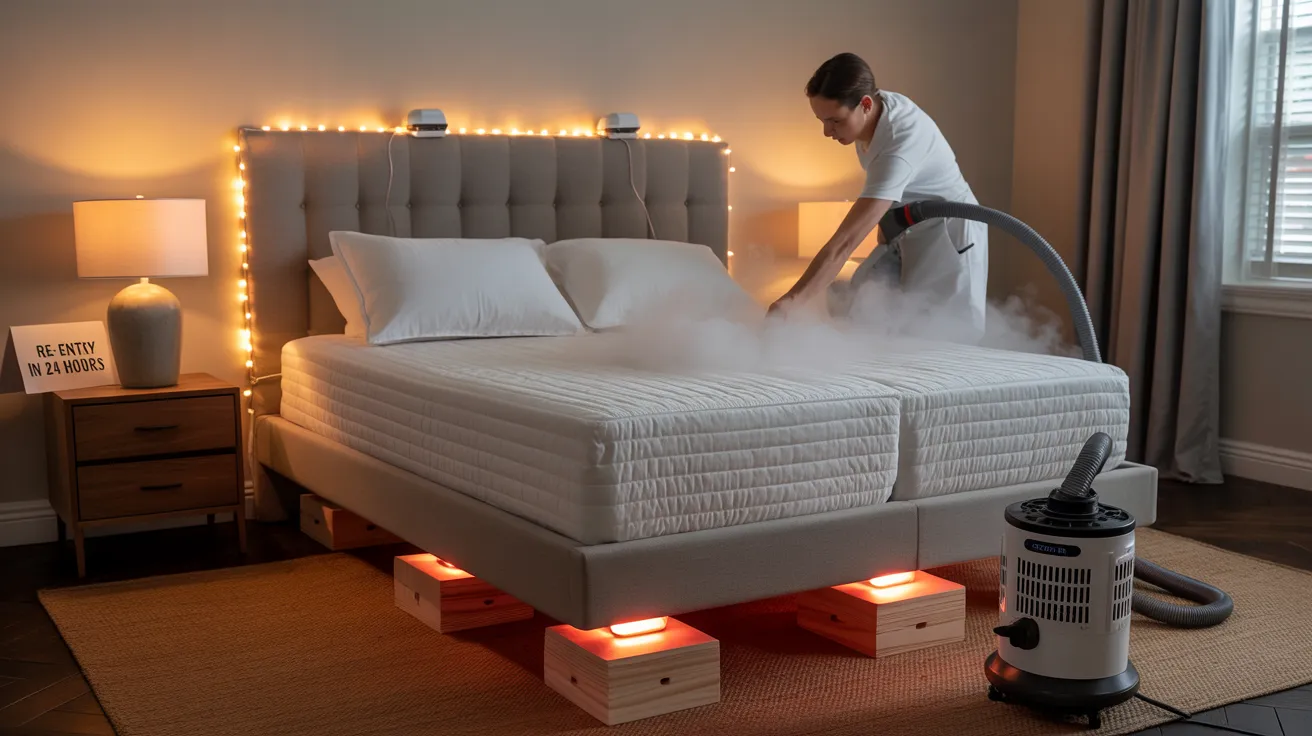
In apartment settings, you'll observe gel baits in secure stations, desiccant dusts applied to wall voids, and heat or steam treatments for bed bug control, minimizing chemical exposure. For commercial properties, we implement targeted crevice treatments, effective growth regulators, and specialized pheromone traps to reduce downtime. Our child-safe approach include odor-free products and HEPA-filtered vacuum systems to protect sensitive individuals. You receive comprehensive details, including safety sheets, and perform verification checks.
Confidential Service Arrangements for Luxury Buildings and Hotel Properties
Stay under the radar without compromising on quality. In high-rises and hotels, you need solutions that don't attract attention. Use confidential scheduling to arrange off-peak or service area service windows, reducing occupant interaction. Specialists should come in discretely branded transportation with unmarked equipment, adhere to NYC Health Code, OSHA, and EPA label guidelines, and observe hotel union and building access requirements. They'll use targeted treatments, HEPA-filter equipment, and tamper-proof devices to secure vulnerable spaces.
Require detailed IPM plans along with detailed service documentation. Confirm pesticide selection is based on facility-specific risk analysis. Request odor-minimized products and drift-management protocols to prevent ventilation concerns. Make sure to have background-checked service personnel who follow approved pathways avoiding guest areas. This approach helps quality standards and operational standards without drawing attention.
What to Look For in a Reputable Pest Control Company
While cost is important, be sure to select a company with proven qualifications, transparent practices, and strong compliance. In New York, you should confirm valid business registration, insurance policies, and pesticide applicator certifications. Make sure to ask whether work is conducted by qualified specialists and request certification details you can verify with NYSDEC. Expect clear cost breakdowns with documented work plans, treatment product information, and material safety information before work begins.
Review their IPM methodology, including assessment protocols, tracking procedures, specific interventions, and barrier methods. Require site-specific risk evaluations that consider children, pets, food areas, and ventilation. Confirm they maintain records of treatment choices, EPA certifications, and justification for application rates. Assess their service speed, QA procedures, and reporting methods that incorporate trend analysis and corrective measures. Lastly, validate they educate staff on safety guidelines and provide clear application guidelines.
Red Flags to Watch For When Working With Pest Control Companies
When evaluating a reputable service provider, watch for warning signs that indicate potential dangers to your home, wellbeing, and finances. Steer clear of unlicensed operators who can't produce a valid New York website State pesticide applicator certification and proof of insurance - hiring such providers could nullify guarantees and increase your liability. Be cautious of contractors emphasizing only cost, aggressive door-to-door sales, or pricing offered without assessment - such practices typically result in inadequate service and overtreatment. Stay away from unclear "eco-friendly" statements without EPA-registered product information and safety documentation. Request written treatment plans, specific treatment protocols, and defined post-treatment intervals following label requirements. Refuse cash-exclusive transactions, services without contracts, or providers refusing to supply references. Finally, be wary of claims of quick fixes for complex pest problems.
Sustainable Prevention Strategies for Enduring Outcomes
Since pest problems rebound without ongoing control measures, build a protection strategy that integrates IPM with New York-compliant service schedules and records. You'll establish action levels, track activity, and fix environments that attract pests before they spread. Schedule seasonal evaluations that align with pest biology-rodents in fall, roaches all seasons, mosquitoes and flies in hot months. Request specialized contracts that outline services, product labels, EPA registration numbers, and New York City/NY State compliance protocols.
Focus on non-chemical methods first: moisture control, sanitation, and exclusion. When pesticides are required, demand specific, minimal-risk formulations and written validation. Confirm specialists possess up-to-date NYSDEC licenses and adhere to communication requirements for multi-unit housing. Monitor trends using electronic logs and photo documentation. Evaluate results every three months and update approaches to maintain durable, compliant pest management.
FAQ Section
What's the Response Time for Emergency Pest Control in Midtown and FiDi?
Emergency pest control services in Midtown and FiDi typically arrive within 60-90 minutes, with faster service during business hours and slightly extended wait times after-hours. Control center staff checks scope of infestation, building entry details and any pets, children, or sensitive hardware. Professional teams comply with NYC and EPA regulations, wear appropriate PPE, and prioritize least-toxic methods. Customers receive a thorough evaluation, precise treatment protocol, and protection guidelines. Many service teams offer local arrival monitoring and photo documentation to ensure compliance and transparency.
Can You Provide Safe Services for Exotic Pets Including Birds and Reptiles?
Absolutely-we utilize avian safe protocols and reptile friendly treatments customized for vulnerable animals. Your exotic pets require extremely careful handling, so we carefully adhere to approved product protocols and integrated management approaches to limit contact. We coordinate with your vet, separate living areas, adjust ventilation, and schedule treatments according to your pets' schedule. We maintain safety data sheets, establish waiting periods, and prefer mechanical, exclusion, and monitoring methods first. You'll get a transparent, pet-specific plan.
Is it Possible to Schedule Treatments Around Film Shoots and VIP Events?
Yes, you can arrange pest control services around film shoots or VIP events. Our service includes production-compatible scheduling, quiet and professional entry, and on site coordination with facility management teams. We follow application instructions, NYC and EPA rules, and furnish SDS and COIs on request. Our technicians utilize precise, minimal-impact treatments, noise-reduced machinery, and isolation measures to safeguard sets and talent. Our team can establish treatment zones, operate during non-peak times, and provide documentation for regulatory requirements and safety protocols.
Understanding Multi-Unit Billing and Landlord-Tenant Responsibility Management?
You split expenses between individual units and shared spaces, while aligning Tenant Billing with pest-related terms in individual leases. Consider personal and common duties: you oversee individual unit prep, access, and reporting; the landlord handles complex-wide prevention, securing, and treatments as per Lease Obligations and local housing standards. Approve and validate estimates upfront, get itemized invoices, and collect compliance documentation. For safety compliance, you coordinate regulation-compliant visits, confirm pesticide labels, and keep records for future inspections.
Are Documentation Services Available for Co-Op Boards and Commercial Compliance Audits?
Absolutely. You receive comprehensive documentation specifically for co-op boards and commercial audits. We provide Certification letters outlining project scope, chemical applications, EPA certifications, and service records. Additionally, we supply Compliance checklists aligned with NYC DOHMH, OSHA, and HUD IPM standards, as well as SDS sheets, licenses, and technician credentials. We log monitoring data, corrective actions, and tenant notifications for traceability. Should your board or auditor require custom formatting or periodic reports, we'll deliver them as per your specified schedule.
Summary
Now you understand the importance of local knowledge, the pest issues facing Manhattan, and how certified professionals use EPA-registered, label-directed treatments that safeguard people, pets, and property. Choose providers with clear documentation, insurance, and NYC/NY state compliance-and skip the spray-and-pray outfits. In multi-story structures or lodgings, discreet, IPM-based plans avert rebounds. Picture your building as a protected sanctuary: entry points sealed, monitors silent, records clean. Team up with a reputable team, follow safety guidance, and maintain a pest-free environment.